
Radioactive Dispute Erupts as Niger Challenges Orano Over Uranium Contamination
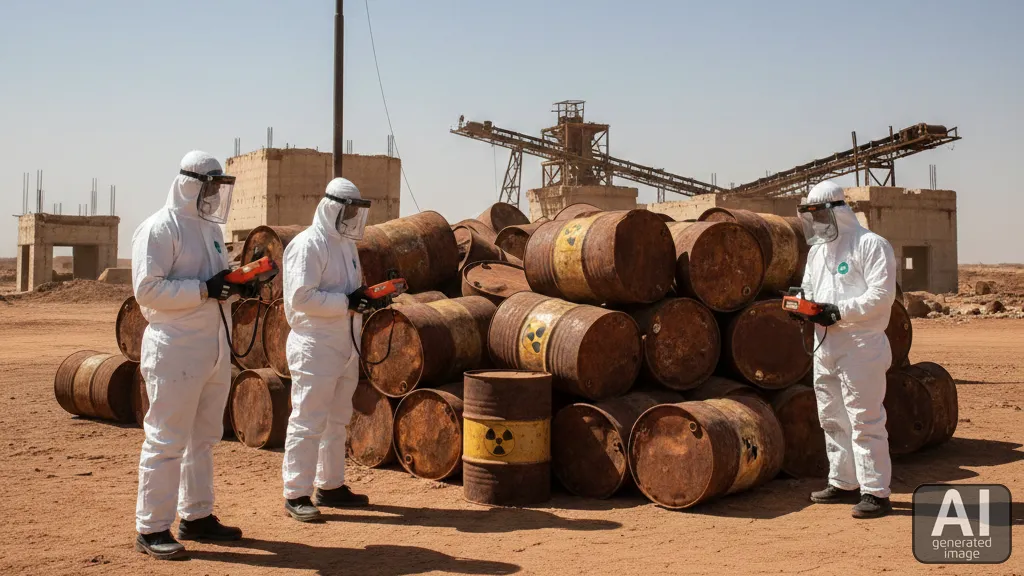
Niger intensifies its uranium dispute with Orano over alleged radioactive pollution as the country asserts resource sovereignty and reshapes regional power dynamics.
Niger’s escalating confrontation with the French nuclear fuel giant Orano marks a significant turning point in the governance of one of West Africa’s most strategically important resources, uranium. The military government has amplified its accusations against the company, asserting that Orano engaged in predatory practices and violated environmental and safety norms at a time when Niger is aggressively working to reclaim sovereign control over its mineral wealth. This dispute unfolds against a backdrop of shifting geopolitical alliances and growing regional assertiveness over natural resource governance.
Authorities in Niger report that the discovery of roughly 400 barrels of radioactive core material near Arlit revealed radiation levels far above normal environmental thresholds. While ambient radiation in the area typically measures about 0.5 microsieverts per hour, readings at the site reportedly reached between 7 and 10 microsieverts. Initial tests detected substances known to carry respiratory health risks, raising concerns about prolonged exposure for nearby communities and workers. In response, Orano has rejected the allegations, stating that it has neither an operating license nor any ongoing activity at the Madaouela site where the barrels were found. The company maintains that it should not be held responsible for material it claims it did not manage or store.
The dispute is further intensified by Niger’s recent decision to nationalize the Somaïr uranium mine, stripping Orano of its 63.4 percent ownership stake and asserting full state control. Despite an order from a World Bank arbitration tribunal instructing Niger to halt the transport of uranium from the mine, the government proceeded with shipments, signaling its determination to chart an independent path in the sector. Orano, for its part, has warned that the uranium being moved may not comply with international safety and environmental standards, potentially complicating export procedures and market acceptance. This tension coincides with reports that approximately 1,500 metric tons of uranium remain stockpiled at Somaïr and may attract interest from buyers in Turkey, Iran and Russia, further heightening geopolitical sensitivities.
Niger's uranium industry has long held global significance, as the country ranks as the seventh largest producer worldwide and historically supplied roughly 15 percent of the uranium used in France’s nuclear energy sector. Recent political realignments in Mali, Burkina Faso and Guinea, where military governments have increasingly asserted control over natural resources, underscore a broader regional trend toward resource sovereignty. These developments reflect growing resistance to longstanding foreign dominance in extractive industries and mark a pivotal shift in how West African states intend to manage, commercialize and benefit from their mineral assets.
The implications of this dispute for Niger and the wider region are substantial. Strengthened national control over uranium could reshape investment patterns, alter the competitive landscape in global nuclear fuel markets and influence diplomatic alignments. However, unresolved tensions with established operators like Orano, combined with questions about regulatory compliance and environmental management, may pose risks to operational continuity, investor confidence and long term sector stability. As West Africa moves toward a more assertive resource governance model, outcomes in Niger’s uranium sector could set precedents that influence policy decisions across the continent’s broader mining economy.
Mini Glossary
- Microsievert: A unit of measurement for radiation exposure used to assess health risk.
- Core material: Concentrated radioactive ore or residues produced during mining or processing.
- Nationalization: When a government takes ownership or control of a private company or asset.
- Arbitration tribunal: A legal body that resolves disputes between states and corporations, often in international investment cases.
- Resource sovereignty: A policy approach in which states seek full control over the exploitation and benefits of their natural resources.
Editor: Vural Burç ÇAKIR