
Liberia Wins Approval for Landmark Mercury Reduction Project
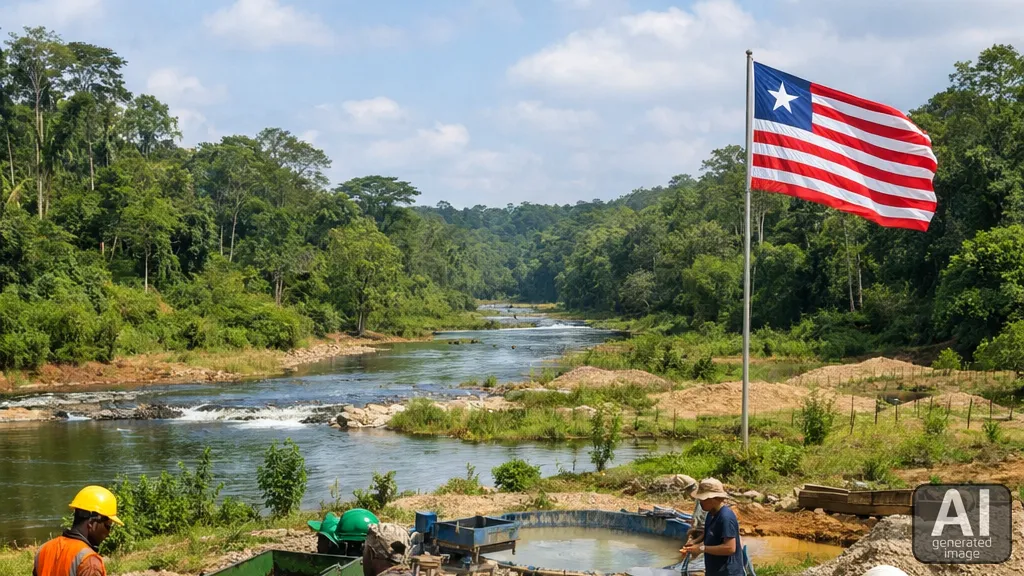
Liberia secures GEF approval for a major mercury reduction project, targeting safer artisanal gold mining and sustainable livelihoods.
Liberia has secured approval for a landmark mercury reduction initiative targeting artisanal and small-scale gold mining, marking a significant step toward building a safer, cleaner, and more sustainable mining sector. The project is supported by the Global Environment Facility and backed by the African Development Bank Group, reflecting strong international confidence in Liberia’s commitment to responsible natural resource management and environmental protection.
The initiative has secured US$7.67 million in approved GEF funding, complemented by US$24.57 million in indicative co-financing, providing a solid financial foundation for long-term impact. The project will be led by Liberia’s Environmental Protection Agency of Liberia and represents the country’s formal entry into the planetGOLD programme, a global partnership aimed at reducing mercury use in artisanal and small-scale gold mining. This milestone places Liberia alongside a growing group of countries working to modernize informal mining while protecting public health and ecosystems.
At its core, the project targets mercury pollution from artisanal and small-scale gold mining, a sector that supports thousands of livelihoods but has historically posed serious environmental and health risks. The programme emphasizes policy reform, improved mining governance, financial inclusion for miners, and the adoption of mercury-free gold processing technologies. These measures build on earlier reforms supported by the African Development Bank Group to improve transparency, regulatory oversight, and sustainability within Liberia’s mining sector.
The expected environmental and social benefits are substantial. Over a five-year period, the project aims to reduce an estimated 50 metric tons of mercury use, restore 10,000 hectares of degraded land, and avoid approximately 148,000 metric tons of carbon dioxide emissions. In parallel, it is designed to improve safety, incomes, and working conditions for around 20,000 people, including at least 12,000 women, highlighting a strong focus on gender inclusion and community resilience.
The initiative also directly supports Liberia’s obligations under the Minamata Convention on Mercury, reinforcing the country’s alignment with international environmental standards. By integrating environmental protection with economic development, the project seeks to formalize and professionalize artisanal mining rather than marginalize it, ensuring that communities can benefit from gold resources without compromising health or ecosystems.
In a broader African mining context, this project positions Liberia as a regional leader in responsible artisanal gold mining. If successfully implemented, it could serve as a model for other countries facing similar challenges, demonstrating how targeted investment, strong institutions, and international partnerships can transform informal mining into a driver of sustainable economic growth. Over time, the initiative has the potential to strengthen Liberia’s mining economy, enhance environmental stewardship, and improve livelihoods while contributing to global efforts to reduce mercury pollution.
Mini-Glossary
- Artisanal and small-scale gold mining (ASGM): Informal or semi-formal mining carried out by individuals or small groups using basic tools.
- Mercury pollution: Environmental contamination caused by mercury, often used to extract gold, which poses serious health risks.
- Co-financing: Additional funding provided by partners alongside a primary funding source.
- Financial inclusion: Expanding access to financial services such as banking, credit, and insurance.
- Ecosystem restoration: The process of repairing damaged land, water, and natural habitats.
Editor: Vural Burç ÇAKIR