
Gold and Uranium Overtake Diamonds in Namibia’s Mining Revenue
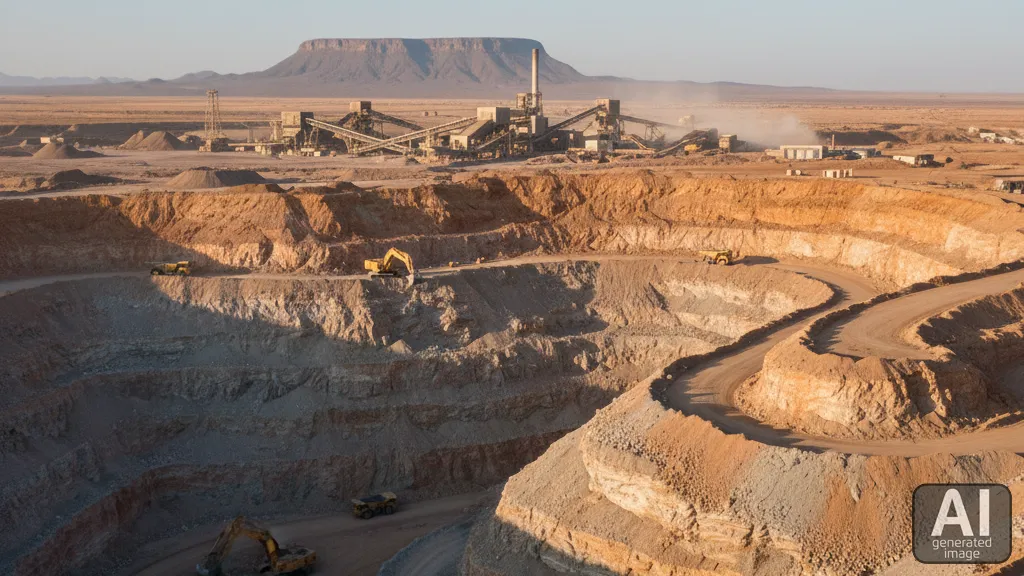
Gold and uranium have overtaken diamonds in Namibia’s mining tax revenue, signaling a major shift toward a more diversified sector.
Namibia is experiencing a significant transformation in its mining revenue profile, with gold and uranium overtaking diamonds as the country’s largest sources of mining-related tax income for the first time. According to data from the Chamber of Mines of Namibia, record gold prices and rising uranium production have more than offset the sharp downturn in diamond revenues, marking a structural shift in one of Africa’s most established mining economies.
Diamond tax revenue fell by an estimated 79 percent year on year in the six months to September, reflecting sustained weakness in global diamond prices. Diamonds have historically contributed around 30 percent of Namibia’s export earnings, but the market has been under growing pressure from the rapid expansion of lab-grown alternatives, which are cheaper and increasingly accepted by consumers. This shift has eroded demand for natural stones and significantly reduced fiscal returns from the sector.
In contrast, tax revenue from gold and uranium reached N$2.87 billion in the last financial year, almost double the original government budget estimate. Non-diamond royalty income also exceeded expectations, coming in at N$1.03 billion. Gold producers such as Navachab Gold Mine and Otjikoto Mine benefited directly from record bullion prices, which boosted profitability and tax contributions despite relatively stable production volumes.
Uranium has emerged as an equally important pillar of this revenue shift. Output rose 22 percent year on year in the first ten months of 2025, driven by strong global demand linked to nuclear energy expansion and energy security concerns. Namibia now ranks as the world’s third-largest uranium producer, behind Kazakhstan and Canada, reinforcing its strategic importance in the global nuclear fuel supply chain. Revenue from uranium is expected to increase further this year as production ramps up and long-term supply contracts take effect.
Overall, the growing contribution of gold and uranium is reshaping Namibia’s mining revenue base and reducing its historical dependence on diamonds. For the country’s economy, this diversification offers greater resilience against commodity-specific downturns and aligns with global energy transition trends. If managed effectively, the shift could strengthen fiscal stability, support infrastructure investment, and position Namibia as a more balanced and future-oriented mining jurisdiction within Africa.
Mini-Glossary
- Bullion: Gold or silver in bulk form, typically traded as bars or ingots.
- Royalty income: Payments made to the state based on the value or volume of minerals produced.
- Lab-grown diamonds: Diamonds created in controlled industrial processes rather than mined from the earth.
- Export earnings: Income a country receives from selling goods and services abroad.
- Structural shift: A long-term change in the composition or drivers of an economy or sector.
Editor: Vural Burç ÇAKIR