
D.R. Congo Unveils Ambitious $29bn Iron Ore and Infrastructure Project
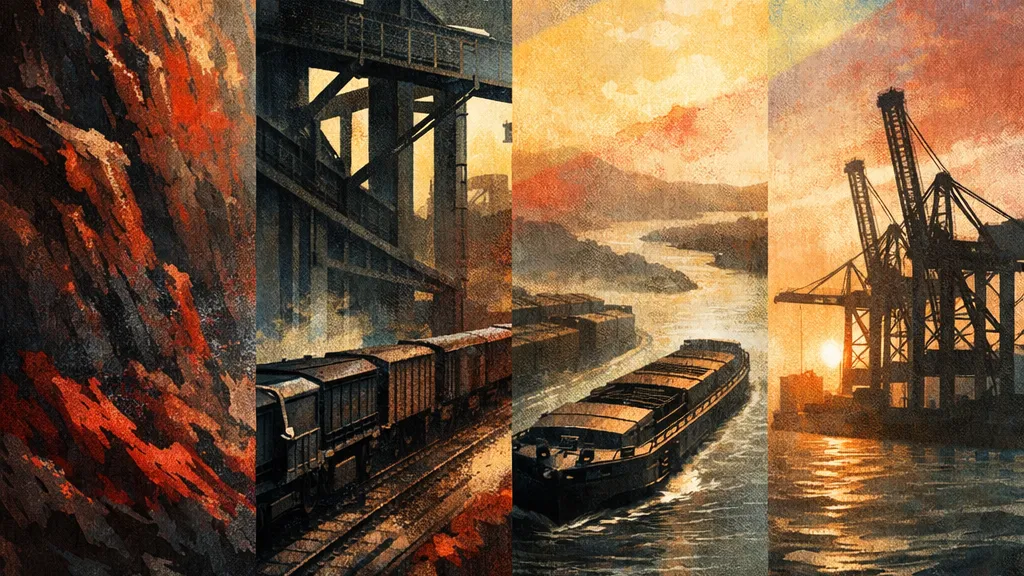
D.R. Congo launches a $29bn iron ore and infrastructure project to diversify mining, build rail and river logistics, and position iron ore as a new growth pillar.
The Democratic Republic of Congo has announced a landmark mining and infrastructure initiative that could redefine its extractive economy for decades to come. Valued at nearly $29 billion, the newly unveiled iron ore and logistics development is designed to diversify the country’s mineral portfolio beyond its long standing dependence on copper and cobalt. Officials describe the project as the most transformative shift in the Congolese mining sector in more than a century, with iron ore positioned as a new strategic growth engine.
At the center of the initiative is a state-led company, Mines de Fer de la Grande Orientale, commonly referred to as MIFOR. The project targets a vast iron ore deposit in the remote northern part of the country, estimated at around 20 billion tons with an average iron content of 60 percent, a grade considered highly competitive by global standards. Planned initial output is set at 50 million tons per year, with long term expansion potential reaching as high as 300 million tons annually, placing the project among the largest iron ore developments worldwide.
A defining feature of the MIFOR initiative is its heavy emphasis on logistics and supporting infrastructure. Because the deposit lies far from existing export corridors, the first development phase prioritizes the construction of new railways and river transport systems. These routes are intended to move ore from the mine site to the Congo River, and onward to the Atlantic Ocean. Export operations are planned through the deep water Banana Port, which is being positioned as a critical maritime gateway for bulk commodities.
The total initial investment is estimated at $28.9 billion, covering mine development, rail lines, river ports, and export facilities. The government has established an inter ministerial commission to oversee the project, ensuring coordination across mining, transport, finance, and environmental authorities. Institutional investors have already signaled interest, reflecting confidence in both the scale of the resource and the state’s commitment to structured governance and long term planning.
If successfully implemented, the MIFOR project could significantly alter the trajectory of Congo’s mining industry and broader economy. By reducing overreliance on copper and cobalt, the country would gain greater resilience against commodity price cycles and attract a wider range of global investors. For Africa more broadly, the development could strengthen the continent’s role in global steel supply chains, stimulate regional infrastructure integration, and create a powerful precedent for state driven, large scale resource diversification.
Mini-Glossary
- Iron ore grade: The percentage of iron contained in the ore, indicating its quality and economic value.
- Extractive industry: Economic activities involving the removal of natural resources such as minerals, oil, or gas from the earth.
- Bulk commodities: Raw materials like iron ore or coal that are transported in large quantities without packaging.
- Inter ministerial commission: A government body composed of multiple ministries to coordinate policy and project oversight.
- Logistics corridor: Integrated transport routes, including rail, river, and ports, used to move goods efficiently from source to market.
Editor: Vural Burç ÇAKIR