
Deadly Collapse at Congo’s Kalando Copper Mine
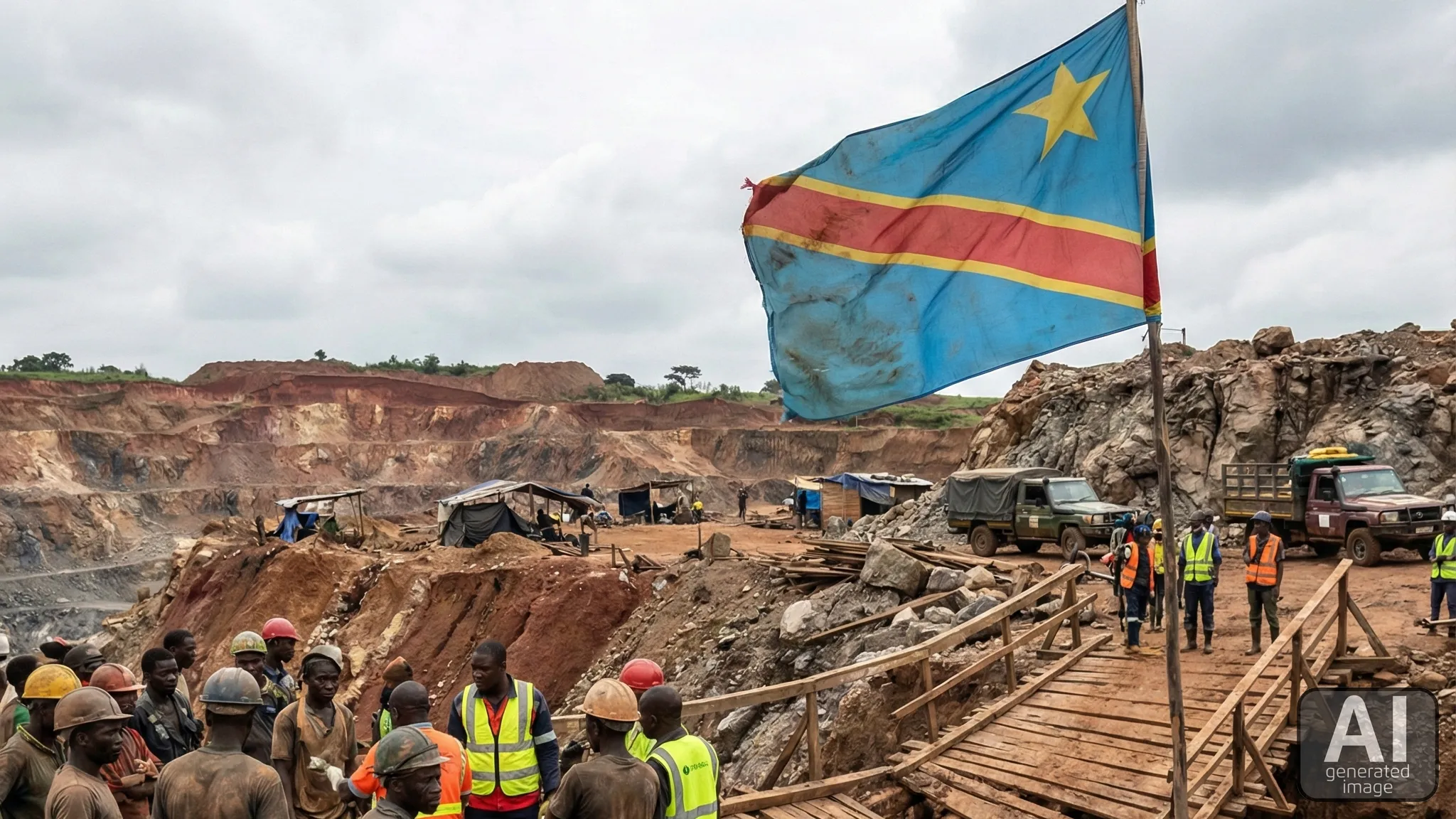
Deadly bridge collapse at Congo’s Kalando mine kills over 30 miners, exposing urgent safety gaps and prompting calls for an independent investigation.
A deadly incident at the Kalando copper mine in Lualaba province has once again drawn attention to the persistent safety challenges facing Congo's artisanal and semi industrial mining sectors. The collapse occurred after a bridge at the site gave way, resulting in a tragic loss of life and highlighting the vulnerability of miners who operate in poorly regulated environments. Authorities have so far confirmed at least 32 deaths, although conflicting reports suggest the toll could be significantly higher.
According to initial accounts, the collapse unfolded under chaotic circumstances triggered by gunfire from military personnel tasked with securing the site. The shots reportedly caused miners to panic and rush toward the bridge in large numbers, creating intense pressure that led to its structural failure. Current estimates place the number of fatalities between 30 and 49, while about 20 miners remain in critical condition and are receiving urgent medical care. Human rights organizations have called for an independent investigation, arguing that the involvement of military forces at mining sites requires much closer scrutiny. Meanwhile, the military spokesperson has not yet provided any comment, adding to growing frustrations among families and advocacy groups seeking clarity.
This tragedy also underscores the continued risks present in artisanal and semi industrial mining across Congo, where weak oversight, insufficient infrastructure, and inconsistent safety standards contribute to frequent accidents. The artisanal mining sector plays a major role in the national economy, employing as many as 2 million people and providing indirect livelihoods for more than 10 million others. Despite its significance, the sector remains characterized by hazardous working conditions that place miners at constant risk of injury or death.
The broader implications of this collapse are likely to influence both local mining operations and the national conversation around safety reforms. Strengthening regulatory frameworks, improving site supervision, and reducing military involvement in mining zones could help mitigate future disasters. If these changes are implemented, they may contribute to a more stable mining environment in Congo, with positive ripple effects for production reliability, community welfare, and investor confidence across Africa’s mineral rich economies.
Mini Glossary
- Semi industrial mining: A form of mining that uses limited mechanization, more advanced than artisanal mining but not fully industrial.
- Artisanal mining: Small scale, often informal mining using basic tools and minimal technology.
- Oversight: Monitoring and regulation to ensure safety and compliance with standards.
- Advocacy groups: Organizations that promote and defend specific causes, such as human rights or worker safety.