
Barrick Staff Freed After Breakthrough Deal With Mali
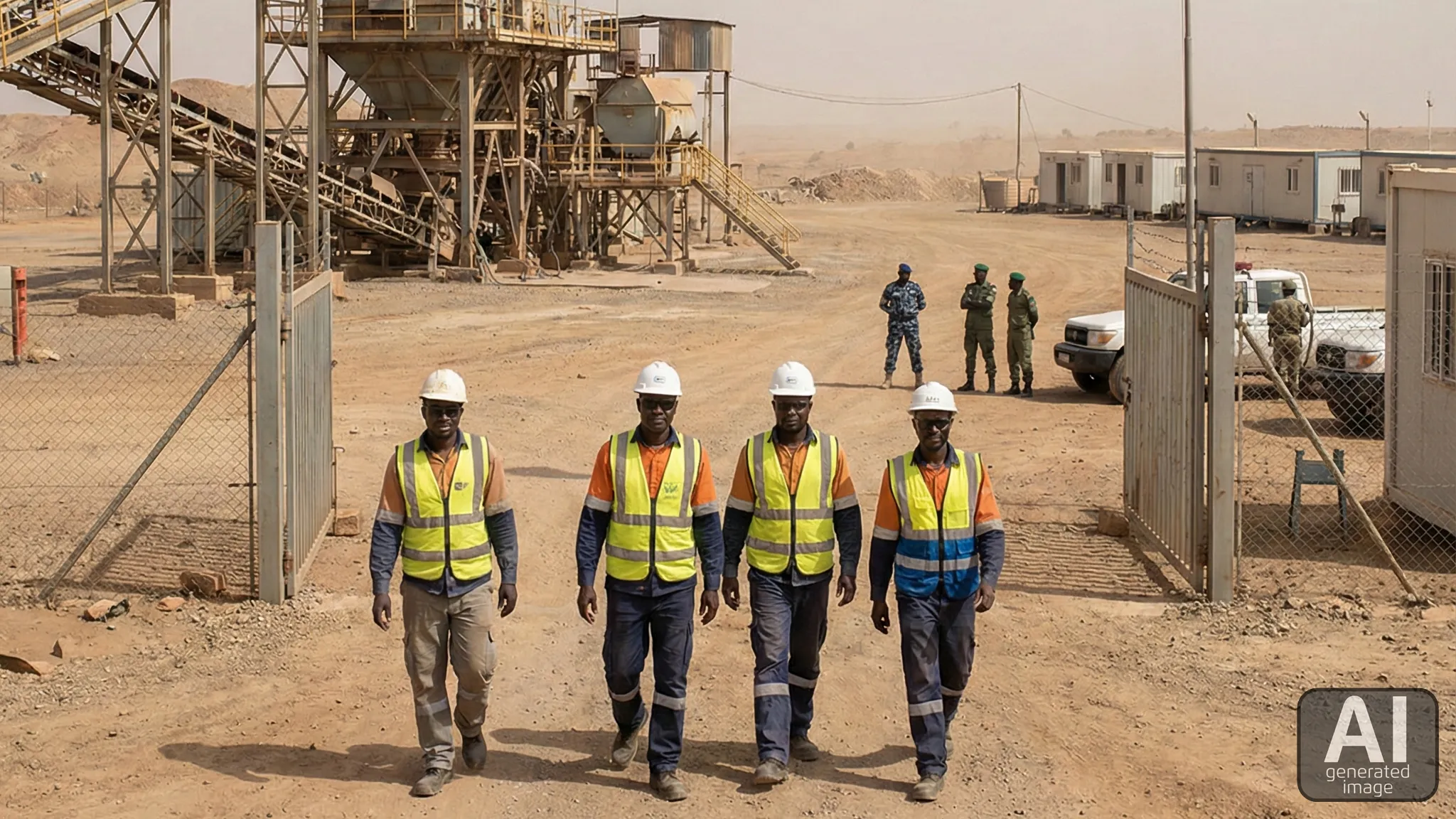
Barrick resolves mining code dispute with Mali, securing staff release and stabilizing operations at the key Loulo Gounkoto gold complex.
The recent breakthrough agreement between Barrick Mining and the Malian government marks a significant turning point in one of West Africa’s most important gold producing jurisdictions. After spending a full year in detention in Bamako, four Malian employees of Barrick have now been released, an outcome that formed a key component of the settlement negotiated between the company and state authorities. Their release signals not only the easing of tensions but also the beginning of a new phase of cooperation concerning Mali’s evolving mining regulatory landscape.
At the heart of the dispute was Mali’s updated mining code, a legislative framework designed to increase the state’s participation in and benefit from the mining sector. The government’s push for a larger share of mining revenues coincided with a period of record high global gold prices, which intensified negotiations and raised the stakes for both sides. Barrick, as one of Mali’s largest gold producers, had been locked in talks with the state for two years as both parties attempted to reconcile corporate investment objectives with national fiscal ambitions. The detention of the employees became deeply intertwined with these negotiations, influencing both the pace and complexity of discussions.
The eventual agreement is described as comprehensive, addressing all outstanding issues connected to the Loulo Gounkoto mining complex, one of the most productive gold assets in the region. By resolving matters related to revenue sharing, regulatory compliance, and operational expectations, the deal removes a major source of uncertainty for the company and the government alike. Sources confirming the release of the employees, although unable to speak publicly due to authorization limits, indicate that the settlement represents a complete reset in relations between the two parties. For Barrick, the resolution reduces operational risk, while for Mali it strengthens the governance and oversight mechanisms embedded in its modernized mining code.
Looking ahead, the agreement is poised to influence Mali’s broader mining industry by reinforcing the value of structured negotiation and regulatory clarity. Improved cooperation could enhance investor confidence, support stable gold production, and potentially attract new exploration capital into the country. For Africa’s wider mining sector, the case underscores the importance of balancing national economic objectives with the operational realities of major mining companies. If effectively implemented, the settlement may serve as a model for other resource rich African states navigating similar tensions between state participation, revenue maximization, and long term industry sustainability.
Mini Glossary
- Mining code: A national legal framework governing how minerals are extracted, taxed, and regulated.
- Revenue sharing: A system that determines how profits or royalties from mining operations are divided between companies and governments.
- Operational risk: Potential disruptions or losses affecting a company’s ability to function effectively, often due to political, legal, or environmental factors.
- Exploration capital: Investment funds used to search for new mineral deposits.
Editor: Vural Burç ÇAKIR