
Angola Moves to Attract Mining Investment by Speeding Up Permits
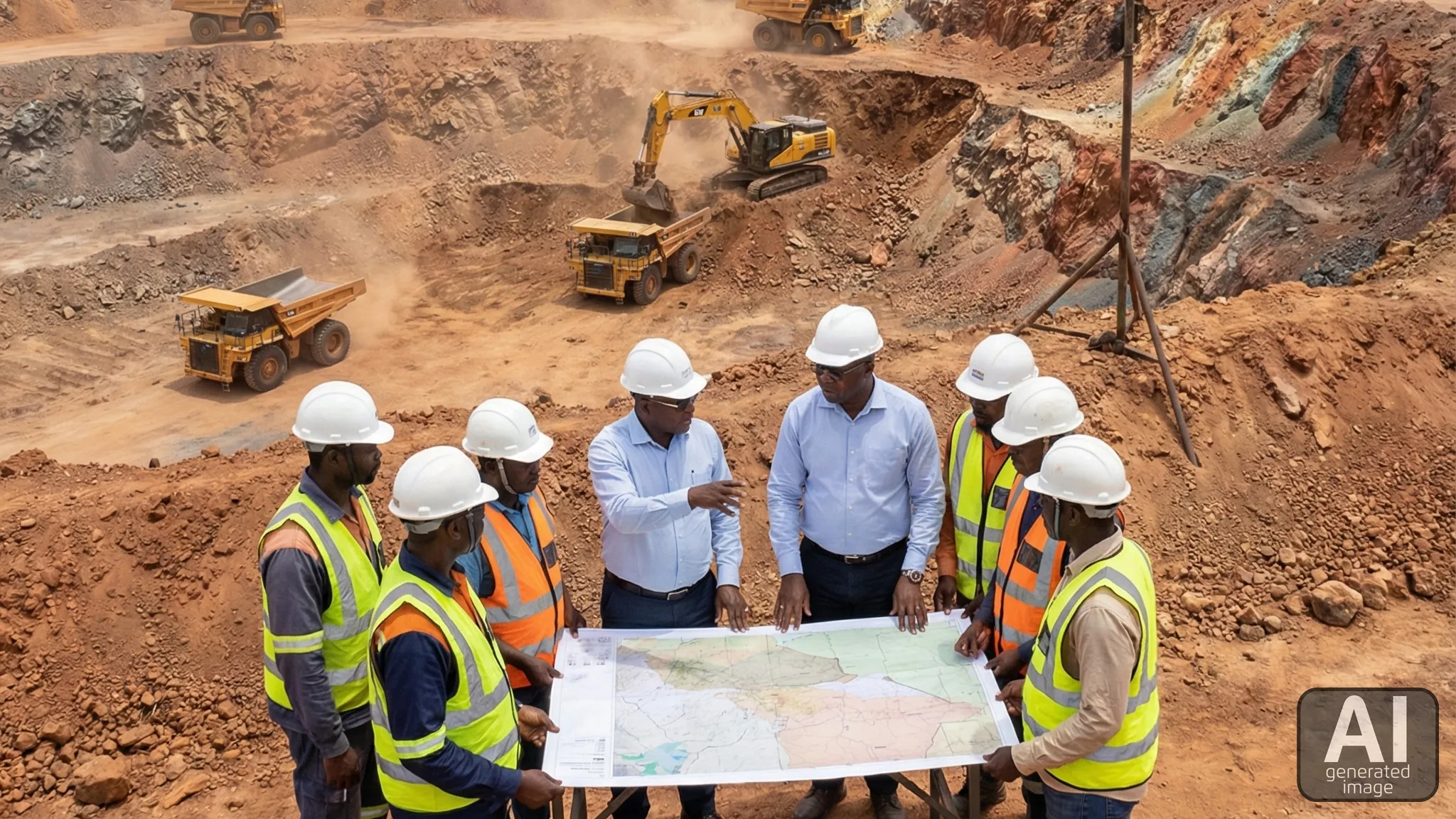
Angola speeds up mining permits and boosts transparency to attract investment while advancing major copper projects and revitalizing its oil sector.
Angola is taking decisive steps to strengthen its position as a key destination for mining investment, particularly in the rapidly expanding critical minerals segment. By accelerating the permitting process for new mining projects, the government aims to reduce bureaucratic delays and create a more efficient framework that appeals to both domestic operators and international investors. This initiative aligns with Angola’s broader economic diversification agenda, which seeks to reduce reliance on oil revenues and build a resilient, mineral driven growth model.
A central element of this strategy is the directive from the Minister of Minerals and Petroleum, urging regulators to fast track approvals for mining licenses. This approach is expected to provide meaningful support to small and medium sized enterprises, many of which struggle with administrative hurdles when attempting to launch or expand exploration programs. The government is also preparing to introduce a comprehensive digital mining registry, a platform designed to enhance transparency, streamline documentation, and allow real time tracking of permits. Such a system is likely to improve investor confidence by reducing opacity in the licensing process and by reinforcing regulatory accountability.
The need for stronger oversight is becoming more acute as new discoveries continue to emerge across the country. Recent copper finds in Moxico and Cuando Cubango, as well as growing lithium prospects in Namibe, highlight Angola’s expanding role in supplying minerals that are central to global energy transition value chains. Alongside these developments, the country’s diversified geological endowment includes manganese, copper, gold, phosphates, uranium, quartz, zinc, and mica, giving Angola a competitive advantage in attracting exploration capital. The launch of production at Tetelo, the country’s first major copper mine, marks a significant milestone in this direction. Complementing this is the Shining Star Icarus project, which is positioned to produce 25,000 metric tons of copper concentrate annually with an investment of US$305 million. The government is simultaneously assessing opportunities to develop domestic copper processing and refining capacity, a move that could capture greater value within national borders.
In parallel with mining sector reforms, Angola is also looking to inject momentum into its stagnating oil industry. The newly signed exploration agreement between Shell, Equinor, and Sonangol for 17 offshore blocks reflects continued international interest in Angola’s hydrocarbons potential. This dual track approach, promoting both mineral diversification and revitalized oil exploration, underscores the government’s ambition to secure multifaceted economic growth.
Overall, these measures could significantly reshape Angola’s mining landscape. Faster permitting, greater transparency, and improved regulatory oversight are likely to attract new entrants and increase exploration spending. Should Angola successfully expand its processing capacity, it could evolve from a raw material supplier to a more integrated player in regional and global value chains. These reforms may also strengthen Africa’s broader critical minerals positioning, making the continent more competitive in meeting the rising global demand for strategic resources.
Mini Glossary
- Critical Minerals: Natural resources essential for high tech industries, renewable energy technologies, and advanced manufacturing.
- Permit Fast Tracking: A regulatory approach that accelerates the review and approval of licenses to reduce delays and improve project timelines.
- Copper Concentrate: A semi processed copper product produced from mined ore, which is later refined into pure copper.
- Offshore Blocks: Designated areas in the ocean where companies are licensed to explore for oil and gas.